Spy Dinner Events — What Happens and How to Prepare
Everything you need to know about themed dinner experiences where you’ll play a character while enjoying a full meal with other players
A Night Like No Other
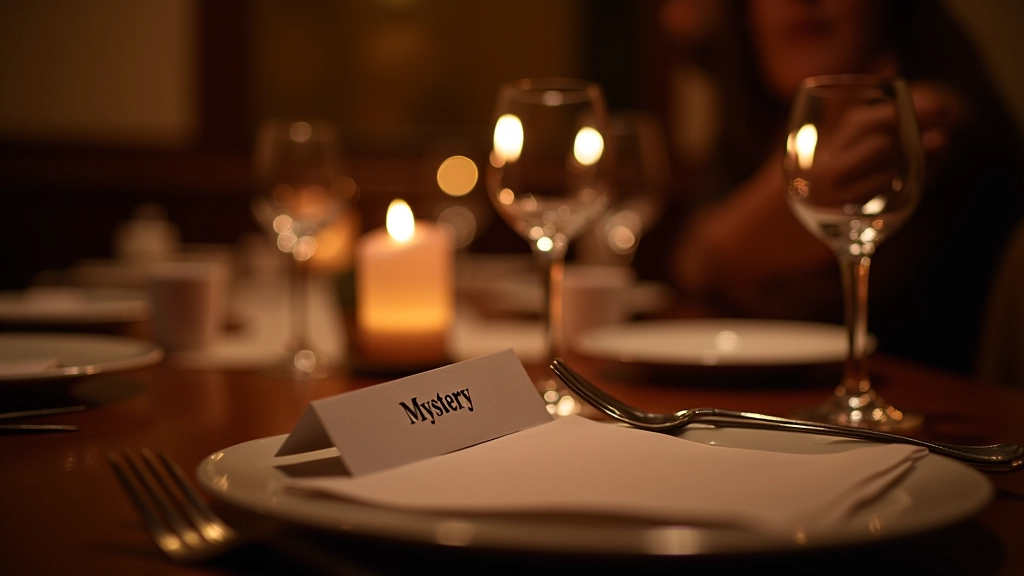
Spy dinner events aren’t your typical evening out. You’re not watching a show — you’re part of it. From the moment you arrive, you’ll take on a character and immerse yourself in a mystery that unfolds across courses and conversations.
Whether you’re a seasoned mystery enthusiast or stepping into this world for the first time, understanding what to expect and how to prepare will make your experience more enjoyable. These events work best when players engage fully with the scenario and their fellow diners.
Let’s walk through what actually happens at a spy dinner, how the evening flows, and practical tips to make sure you’re ready.
Arrival & Character Assignment
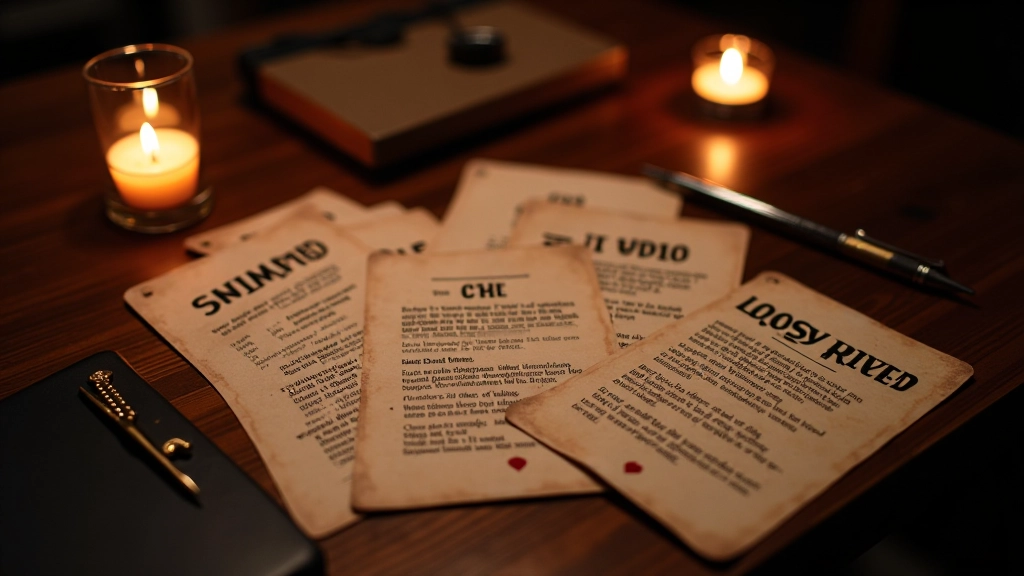
You’ll arrive about 15-20 minutes before the event starts. This isn’t rushed — organizers want you settled and in character before the evening properly begins. You’ll check in, receive your character envelope with your backstory and objectives, and have time to read through your role.
Most spy dinner events assign you a character before arrival. You might be an intelligence operative, a double agent, a journalist investigating corruption, or something more creative depending on the evening’s scenario. Your character sheet includes:
- Your background and motivation
- Secrets you know and things you’re hiding
- Your relationships with other characters
- Private objectives to accomplish during the evening
- Information you might trade or reveal strategically
Don’t worry if you’re not a natural actor. Most participants aren’t. What matters is engaging with the scenario authentically — you don’t need theatrical delivery, just genuine participation.
The Evening Structure
Spy dinner events typically run 3-4 hours with multiple courses. Here’s roughly what you’ll experience:
First Course (Appetizers) — You’ll be seated and the evening kicks off. An organizer or actor might introduce the scenario. You’ll start gathering information naturally through conversation, asking other players about their characters and motivations.
Between Courses — Clues appear. Maybe a message arrives for your character. Perhaps a “murder” happens and you need to discuss what you’ve observed. Organizers guide the action forward strategically so nothing feels forced.
Main Course & Dessert — The mystery deepens. You’re trading information, forming alliances, and working toward your objectives. The real skill in these events is knowing when to reveal information and when to hold back.
The final course often coincides with the resolution phase. You might vote on who committed the crime, reveal your secrets, or complete your objectives. There’s usually a brief debrief where everyone steps out of character and discusses the evening.
What Makes It Work
Character Interaction
You’re not competing against the other players — you’re working together to solve the mystery while staying true to your character. This creates genuine social engagement.
Information Trading
Different characters know different pieces of the puzzle. You’ll need to talk with others, build trust (or distrust), and decide what information to share and when.
Problem Solving
These aren’t puzzles you solve alone. You’ll piece together clues from multiple sources, interpret evidence, and reach conclusions as a group.
Roleplay Without Pressure
You don’t need acting experience. Speaking in your character’s voice, adopting their perspective, and staying consistent is enough. The food and company matter just as much as the performance.
Strategic Choices
When do you reveal what you know? Who do you trust? How do you navigate conflicting objectives? These decisions shape how the evening unfolds.
Quality Dining
It’s a real dinner with genuine food and service. The mystery elements enhance the experience but don’t overshadow the actual meal and company.
How to Prepare
You don’t need extensive preparation, but a few simple steps will make you feel more confident and help you get more out of the experience.
Read Your Character Sheet Thoroughly — Most organizers send your character details a week or two before the event. Don’t just skim it. Read it carefully, maybe twice. Understand your character’s motivations, relationships, and secrets. You’ll be asked questions during the dinner, and knowing your backstory helps you stay consistent.
Plan Your Appearance (Within Reason) — You don’t need a costume, but dressing the part helps you feel more immersed. If you’re playing a diplomat, smart business attire works. If you’re an investigative journalist, something more casual but polished. Think about how your character would dress, then wear something similar from your own wardrobe.
Come With Curiosity, Not Cynicism — These events work best when players approach them as fun collaborative experiences. You’re there to solve a mystery with other people, enjoy good food, and have an unusual evening. That mindset makes all the difference.
Practical Tips for Your First Event
“These events bring together people who actually want to be engaged. Everyone’s there for the same reason — to have an interesting evening. You’ll be surprised how quickly conversations flow and how naturally the mystery develops.”
— Regular participant perspective
Arrive Early
Getting there 10-15 minutes early lets you settle in, use the restroom if needed, and mentally prepare without feeling rushed.
Take Notes Discretely
Bring a small notebook. Jotting down what other characters tell you helps you track information without constantly asking people to repeat themselves. It’s also very much in character.
Ask Questions Naturally
You don’t need to interrogate people. Natural conversation — “So what brings you here?” or “How do you know the victim?” — works perfectly and feels authentic.
Watch for Non-Verbal Cues
Pay attention to how people react when you ask certain questions. Does someone seem nervous? Dismissive? These reactions often contain clues about what they might be hiding.
Don’t Over-Commit to a False Identity
You’re playing a character, but you’re still yourself. You don’t need to adopt an accent or persona that feels unnatural. Stay grounded and authentic within your character’s framework.
Enjoy the Meal
These are real dinners with quality food. Don’t get so caught up in solving the mystery that you forget to actually eat and enjoy the courses.
What to Realistically Expect
These events vary depending on the organizer and scenario, but here’s what you can count on: You’ll meet interesting people. The evening will be interactive and engaging. You won’t be bored. The food will be good.
You might not solve the entire mystery perfectly — and that’s okay. Part of the fun is the journey, not necessarily getting everything right. Some clues are red herrings. Some information is intentionally misleading. The experience is designed to be enjoyable regardless of whether you solve it completely.
You’ll also encounter different types of players. Some people are very theatrical. Others are quiet and observant. Both approaches are valid. What matters is that everyone’s engaged and respectful of the scenario and each other.
By the end of the evening, you’ll have spent 3-4 hours in an unusual social experience that combines dining, mystery solving, and roleplay. Most people leave feeling they had something genuinely different — not a dinner where you watched entertainment, but a dinner where you participated in it.
About This Guide
This article provides informational guidance about how spy dinner events typically work and how to prepare for participation. Specific events vary based on organizers, venues, and scenarios. We recommend confirming details directly with the event organizers regarding timing, dress code, dietary accommodations, and specific gameplay mechanics. Spy dinner events are designed as social entertainment experiences and don’t require prior acting experience or special skills — just an openness to engagement and fun.